How to Start a Dropshipping Business (Even If You’re New)
October 1, 2026
Disclosure: This post contains affiliate links. If you purchase through my links, I may earn a small commission at no extra cost to you.
What if you could run a profitable online store without ever touching a single product? No warehouse. No bulk inventory orders. No upfront investment in stock that may never sell.
That’s the core appeal of dropshipping — and it’s why thousands of beginners launch their first ecommerce business this way every single month.
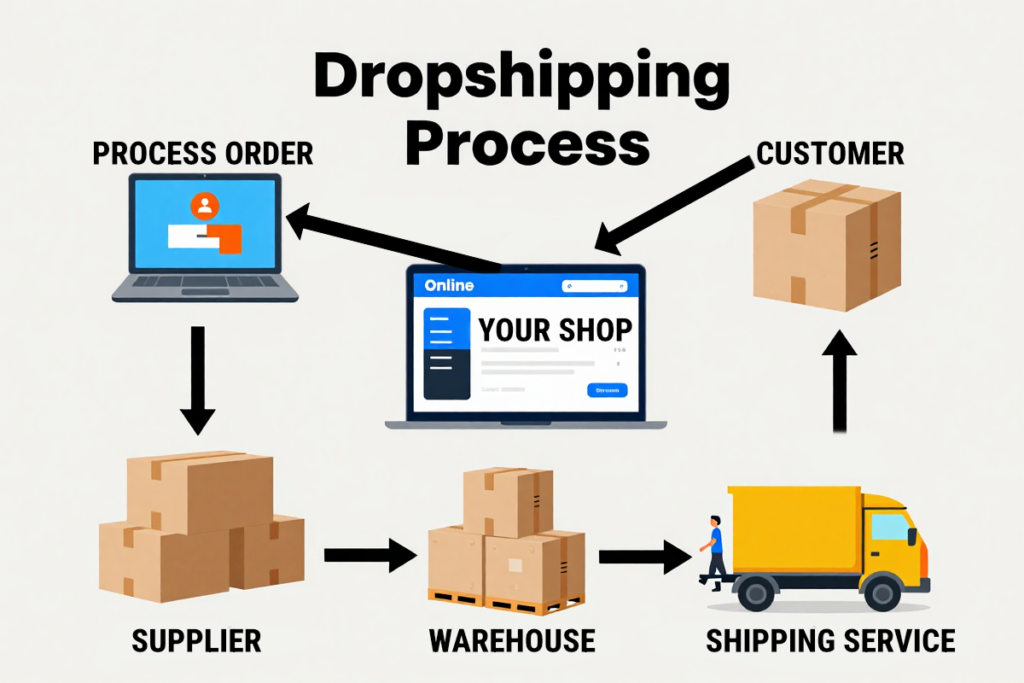
Here’s how it works in simple terms: a customer buys a product from your online store, you forward that order to your supplier, and the supplier ships it directly to your customer. You never handle the product. You collect the difference between what the customer paid and what the supplier charges. That’s your profit.
It sounds almost too simple — and like any business model, there’s more to it. But the barrier to entry is genuinely low compared to traditional retail, which makes dropshipping one of the most beginner-friendly ways to start an ecommerce business with minimal investment.
In this step-by-step guide, you’ll learn exactly how to start a dropshipping business from scratch — even if you have no experience, no technical skills, and a tight budget. We’ll cover everything from choosing a profitable niche to building your store, finding reliable suppliers, and marketing your products to your first paying customers.
Let’s get into it.
What Is Dropshipping? (A Beginner-Friendly Explanation)
Dropshipping is a retail fulfillment method where you sell products online without holding any inventory. Instead of stocking items yourself, you partner with suppliers who store, pack, and ship products directly to your customers on your behalf.
Here’s the basic flow:
Customer places order on your store → You forward the order to your supplier → Supplier ships directly to the customer → You keep the profit margin
It’s essentially ecommerce fulfillment by a third party, with your store acting as the storefront and brand layer.
Pros of Dropshipping
- Low startup cost — You don’t buy inventory until after you’ve made a sale
- No inventory management — No warehouse, no packing tape, no storage fees
- Location flexibility — Run your business from anywhere with an internet connection
- Low risk to test products — Easy to add and remove products without financial loss
Cons of Dropshipping
- Lower profit margins — You’re not buying in bulk, so per-unit costs are higher
- Supplier dependency — If your supplier runs out of stock or ships late, that’s your problem to solve
- High competition — Many dropshippers sell identical products, making branding critical
- Less control over fulfillment — Shipping times, packaging, and quality are in someone else’s hands
Understanding both sides is essential. Dropshipping isn’t a get-rich-quick scheme — it’s a real business model that rewards people who treat it like one.
Is Dropshipping Still Profitable in 2026?
This is one of the most common questions beginners ask, and it deserves an honest answer.
Yes — dropshipping is still profitable. But the landscape has changed, and what worked in 2017 won’t cut it today.
The global ecommerce market continues to grow at a strong pace, with online retail sales projected to surpass $8 trillion by 2027. More buyers than ever are shopping online, which means more opportunity — but also more competition.
What’s changed:
- Basic “general stores” with random products rarely work anymore
- Ads are more expensive, making organic traffic and branding more important
- Customers expect faster shipping, which has pushed many sellers toward US and EU-based suppliers
- Building a real brand — not just a product listing — is now the differentiator
The key takeaway: Dropshipping works in 2026, but it works best when you approach it strategically. Pick a focused niche, build a trustworthy brand, and treat marketing as a core skill — not an afterthought.
Step-by-Step Guide to Starting a Dropshipping Business
Step 1 – Choose a Profitable Niche
Your niche is the foundation of everything. Get this right and every step that follows becomes easier.
A good dropshipping niche sits at the intersection of market demand, manageable competition, and ideally — products that solve a real problem.
What makes a winning niche:
- Solves a specific pain point or fills a clear desire
- Has a passionate or repeat-purchase audience
- Isn’t dominated entirely by Amazon or big-box retailers
- Allows for a profit margin of at least 25–40%
Popular beginner-friendly niches in 2026:
- Pet accessories and enrichment products
- Home organization and storage solutions
- Fitness and recovery gear
- Sustainable/eco-friendly lifestyle products
- Desk and home office accessories
Avoid: ultra-saturated niches with no angle (generic phone cases, random gadgets) and products with unclear audiences.
Tools to validate your niche idea:
- Google Trends — Check whether interest is growing, stable, or declining
- [Product Research Tool, e.g., Minea, Sell The Trend, or Ecomhunt] — Discover trending winning products with real data
Spend real time here. Choosing the wrong niche is the #1 mistake beginners make.
Step 2 – Find Reliable Suppliers
Your supplier is your silent business partner. A bad one will destroy your reputation. A great one makes your store look professional without you lifting a finger.
Types of dropshipping suppliers:
| Supplier Type | Examples | Best For |
|---|---|---|
| Marketplace-based | AliExpress, CJ Dropshipping | Beginners, low cost |
| Curated supplier apps | Spocket, Zendrop | Faster US/EU shipping |
| Private suppliers | Found via Alibaba or direct outreach | Scaling, better margins |
What to look for in a supplier:
- Strong seller reviews and order history
- Clear communication and responsive support
- Reasonable shipping times (ideally under 15 days for international, under 7 for US/EU)
- Quality product photos and accurate descriptions
- A clear returns and refund process
Red flags to avoid:
- No reviews or very new accounts
- Vague shipping estimates
- No sample orders available
- Poor or automated responses to messages
Pro tip: Always order a sample before you start selling a product. You need to know exactly what your customer receives.
[RECOMMENDED — ZenDrop: Find US & EU Suppliers with Fast Shipping — Start Free Today!]
Step 3 – Build Your Online Store
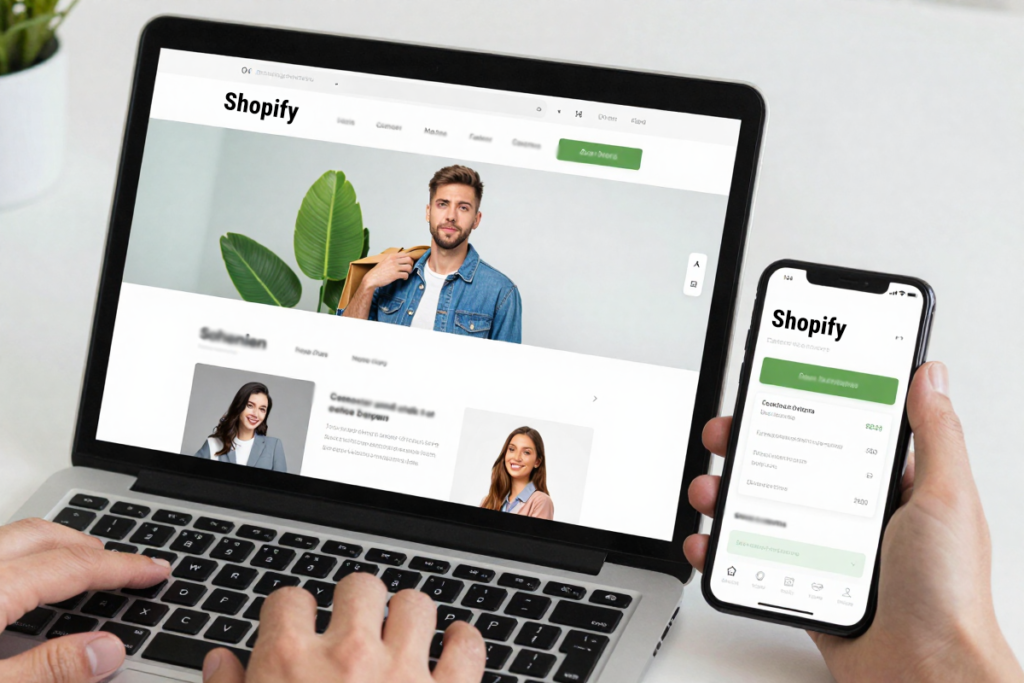
Your store is your brand’s home base. In a competitive market, it needs to look trustworthy, load fast, and convert visitors into buyers.
Two main platform options for beginners:
Shopify — The most beginner-friendly ecommerce platform available. Everything is integrated (hosting, payments, themes, app store). You can have a store live in a day.
[Shopify: Start Your Free Trial — Build Your Store Today]
WooCommerce — A WordPress plugin that gives you more flexibility and lower ongoing costs, but requires slightly more technical setup. Better for those who already use WordPress or understand the basics of setting up a site. Woocommerce and WordPress is free. You just need to purchase your shop’s domain name and get web hosting.
[ALL-IN-ONE SYSTEM: Commerce by Automattic (Woocommerce + WordPress + Hosting )]
For most beginners, Shopify is the recommended starting point.
Key elements your store must have:
- Clean, mobile-optimized design (over 70% of ecommerce traffic is mobile)
- Clear product pages with high-quality images and compelling descriptions
- Trust signals: customer reviews, secure checkout badges, clear policies
- About page that builds brand credibility
- Refund, privacy, and shipping policy pages (required for trust AND legal compliance)
Step 4 – Add Winning Products
Not every product is worth selling. Winning dropshipping products share a few common traits.
The winning product checklist:
- ✅ Solves a specific problem or satisfies a strong desire
- ✅ Has a “wow factor” — easy to demonstrate in a short video
- ✅ Not readily available in local stores
- ✅ Can be priced at 2–3x your cost (strong margin)
- ✅ Lightweight and easy to ship
Writing product descriptions that convert:
Don’t just copy the supplier’s description. Write copy that speaks to the customer’s emotions and outcomes. Focus on what the product does for them, not just what it is.
Example: Instead of “Ergonomic lumbar support cushion, memory foam, 40cm x 35cm” — write “Finally sit through your workday without back pain. Our memory foam lumbar cushion supports your spine so you can focus on what matters.”
Strong product images and video demonstrations are equally important. If your supplier doesn’t provide great visuals, use a tool like Canva Pro or Creative Fabrica to create branded graphics.
Step 5 – Set Up Payments and Legal Basics
Before you launch, make sure the business side is properly set up.
Payment gateways to enable:
- Shopify Payments (if available in your country) — Lowest transaction fees on Shopify
- PayPal — Customer trust and buyer protection
- Stripe — Reliable card processing, available in most countries
Legal pages every dropshipping store needs:
- Privacy Policy — Required by law in most regions
- Refund/Return Policy — Reduces disputes and increases buyer confidence
- Terms of Service — Protects your business
- Shipping Policy — Sets clear expectations on delivery times
Shopify has built-in generators for most of these. Use them and customize for your specific supplier arrangements.
Business structure basics: Many beginners start as a sole proprietor. As you grow, consider forming an LLC (in the US) for liability protection and cleaner accounting. Consult a local accountant or legal professional for advice specific to your country.
Step 6 – Launch Marketing Campaigns
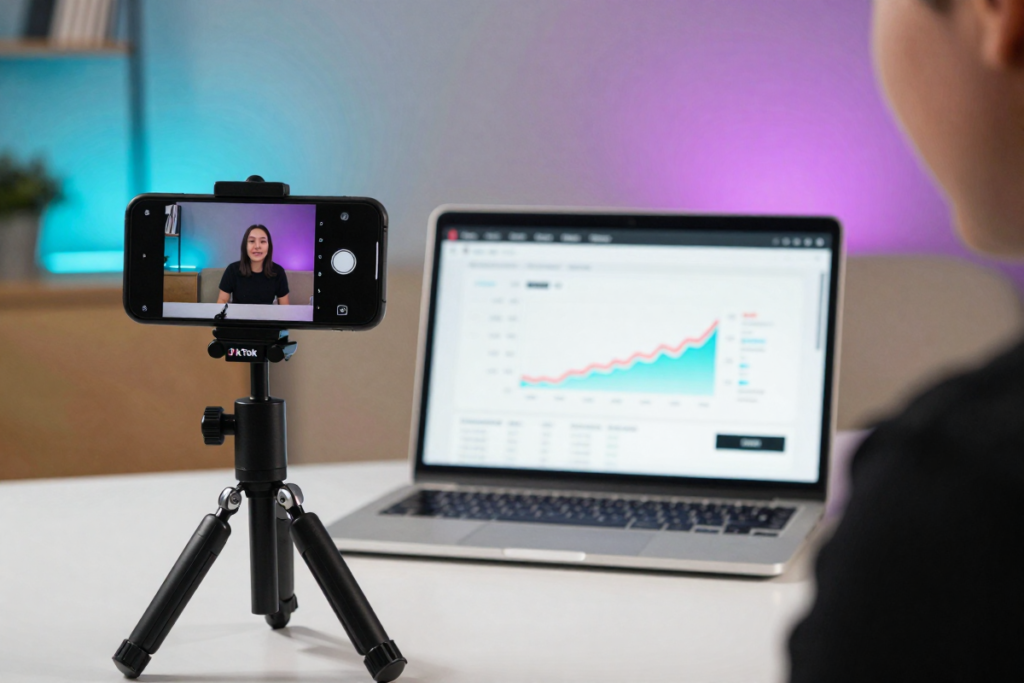
A great store with no traffic makes zero sales. Marketing is where beginners either grow or give up — and it doesn’t have to require a big budget to start.
Free traffic methods (start here):
- TikTok Organic — Short product demonstration videos can go viral with zero ad spend. This is one of the highest-ROI free channels for dropshippers right now.
- Instagram Reels — Similar format, great for visually appealing products
- SEO blogging — Write content around your niche to attract long-term organic traffic (takes longer but compounds over time)
- Pinterest — Underrated for product discovery in lifestyle niches
Paid advertising (once you have a validated product):
- TikTok Ads — Lower CPMs than Facebook for many niches, excellent for product videos
- Facebook/Meta Ads — Powerful targeting, best used once you know your customer avatar
- Google Shopping Ads — Captures high-intent buyers who are actively searching
Influencer marketing: Partner with micro-influencers (5K–50K followers) in your niche for product reviews. Often more affordable and more trusted than traditional ads.
[Email Marketing Tool, e.g., Klaviyo or Omnisend — Start Free]
Start collecting email addresses from day one. Email marketing is one of the highest-converting channels for ecommerce — and it’s yours to keep regardless of algorithm changes.
Best Tools for Dropshipping Beginners
Here’s a quick reference of the essential tools to run a lean, effective dropshipping business:
Store Builders
| Tool | Best For | Starting Price |
|---|---|---|
| [Shopify] | Beginners, all-in-one | From $39/mo |
| [Commerce by Automattic] (Woocommerce/Wordpress) | WordPress users | Free + hosting |
Product Research Tools
| Tool | Best For |
|---|---|
| [Minea or Ecomhunt] | Finding winning products |
| [Google Trends] | Validating niche demand (free) |
Supplier & Fulfillment Apps
Email Marketing
Design & Branding
Common Mistakes Beginners Should Avoid
Learning from other people’s mistakes is free. Here are the most common ones that derail new dropshippers:
1. Choosing a saturated or random niche
Selling “cool gadgets” to everyone is a strategy for selling to no one. Pick a focused niche with a real audience.
2. Ignoring branding
Two stores can sell the exact same product. The one with better branding, copy, and trust signals wins — every time.
3. Poor supplier vetting
Choosing a supplier based on the cheapest price without checking reviews or ordering samples leads to customer complaints, refunds, and bad reviews.
4. Giving up after the first few weeks
Most dropshippers who fail do so because they quit before they’ve properly tested. Testing is part of the process — not a sign of failure.
5. Over-relying on paid ads before validating
Spending hundreds on ads for a product you haven’t validated is like burning money. Start with organic traffic to test product-market fit first.
How Much Money Do You Need to Start?
One of the biggest misconceptions about dropshipping is that it’s completely free. It’s low-cost — but not zero cost.
Realistic startup budget breakdown:
| Expense | Low Budget | Mid Budget |
|---|---|---|
| Store platform (Shopify) | ~$39/mo | ~$39/mo |
| Domain name | ~$15/yr | ~$15/yr |
| Product samples | $30–$60 | $60–$150 |
| Initial ad spend / testing | $0 (organic) | $200–$500 |
| Tools & apps | $0–$30/mo | $30–$80/mo |
| Total (first month) | ~$100–$150 | ~$350–$800 |
The honest advice: Start lean. Use organic marketing to validate your product before spending heavily on ads. You don’t need $1,000 to start — but you do need some runway for testing and iteration.
How Long Does It Take to Make Your First Sale?

There’s no universal answer, but here’s a realistic picture:
- With paid ads and a validated product: Days to a few weeks
- With organic traffic (TikTok, SEO): A few weeks to a few months
- With no marketing effort: Indefinitely — traffic doesn’t appear automatically
Factors that affect your timeline include your niche, the quality of your store, your marketing consistency, and how aggressively you test and iterate.
The most important mindset shift: your first sale is a milestone, not the finish line. Focus on learning from every campaign, every visitor, and every customer interaction. The data you collect in your first 60 days is more valuable than any course.
Scaling Your Dropshipping Business
Once you’re consistently making sales, it’s time to think about growth.
Signs you’re ready to scale:
- You have a product with proven sales and positive customer feedback
- Your return on ad spend (ROAS) is profitable at current spend levels
- You have systems in place for customer service and order management
How to scale effectively:
- Increase ad spend gradually — Don’t 10x your budget overnight; test incrementally
- Build your email list and automate sequences — Abandoned cart, welcome series, and post-purchase flows generate revenue on autopilot
- Transition to private suppliers — Better pricing, faster shipping, and potential white-labeling as you grow
- Add upsells and cross-sells — Increase average order value without acquiring new customers
- Invest in brand building — Custom packaging, a recognizable brand identity, and consistent content create long-term customer loyalty
The goal is to evolve from a dropshipping store into a real brand. That’s where the real value — and exit potential — lives.
Final Thoughts: Is Dropshipping Right for You?
Dropshipping is one of the most accessible ways to start an ecommerce business with minimal investment. The model is real, the opportunity is real, and beginners succeed with it every day.
Dropshipping is a great fit if you:
- Want to start a low-investment online business
- Are willing to learn marketing, copywriting, and product research
- Can commit to consistent effort over several months
- See the business as a long-term brand, not a quick cash grab
It may not be the right fit if you:
- Expect to make money in the first week without putting in real work
- Aren’t willing to invest any time in learning paid or organic marketing
- Want high profit margins from day one without building a brand
The difference between the dropshippers who succeed and those who don’t usually comes down to one thing: they treat it like a real business.
If you’re ready to take that approach — start today. Pick your niche, build your store, and take the first step.
[Shopify Free Trial CTA: “Start Your Dropshipping Store Today — Try Shopify Free“]
Frequently Asked Questions
Is dropshipping legal?
Yes, dropshipping is a completely legal business model practiced worldwide. You’re acting as a retailer who outsources fulfillment — there’s nothing inherently illegal about that. Always ensure you’re compliant with your local business and tax laws.
Do I need a business license to start dropshipping?
Requirements vary by country and state. In the US, many people start without a formal business entity, but registering an LLC provides liability protection and looks more professional to payment processors. Consult a local professional for guidance specific to your location.
Can I start dropshipping with no money?
You can start with very little money, but not truly zero. A platform like Shopify has a monthly cost, and while organic marketing is free, some investment in product samples and testing is strongly recommended. Realistically, budget at least $100–$150 to get started properly.
What are the best products to sell?
The best dropshipping products solve a specific problem, have strong visual appeal, aren’t easily found in local stores, and offer a healthy profit margin. Use product research tools like Ecomhunt or Minea to discover what’s currently trending.
Is Shopify required for dropshipping?
No — Shopify is a popular choice, but not the only option. WooCommerce, BigCommerce, and even platforms like Etsy or eBay can work. That said, Shopify remains the most beginner-friendly all-in-one solution for new dropshippers.
How do I handle returns and refunds?
Set a clear refund policy on your store that aligns with your supplier’s terms. When a return is requested, you’ll typically refund the customer and either have them return the product to you or the supplier (depending on the agreement). Handling this professionally is key to building customer trust.
Is dropshipping still profitable in 2026?
Yes — but the approach matters. Dropshippers who build real brands, focus on a specific niche, and use data-driven marketing continue to build profitable businesses. The days of throwing random products at generic stores and making easy money are largely over.
Ready to start your dropshipping business? Use the step-by-step roadmap above and take it one section at a time. The best time to start was yesterday — the second best time is right now.
[BEFORE YOU GO: “Launch Your Store with Shopify — Free Trial, No Credit Card Required”]