Dropshipping Case Study: $0 to $5K in 60 Days (Real Results, Real Numbers)
November 17, 2026
Can You Really Go from $0 to $5K in 60 Days?
That question gets asked thousands of times every month — and for good reason. Most dropshipping content online falls into one of two camps: over-hyped YouTube thumbnails promising overnight riches, or cynical “it’s all a scam” takedowns that ignore real success stories entirely.
This case study lives in the middle.
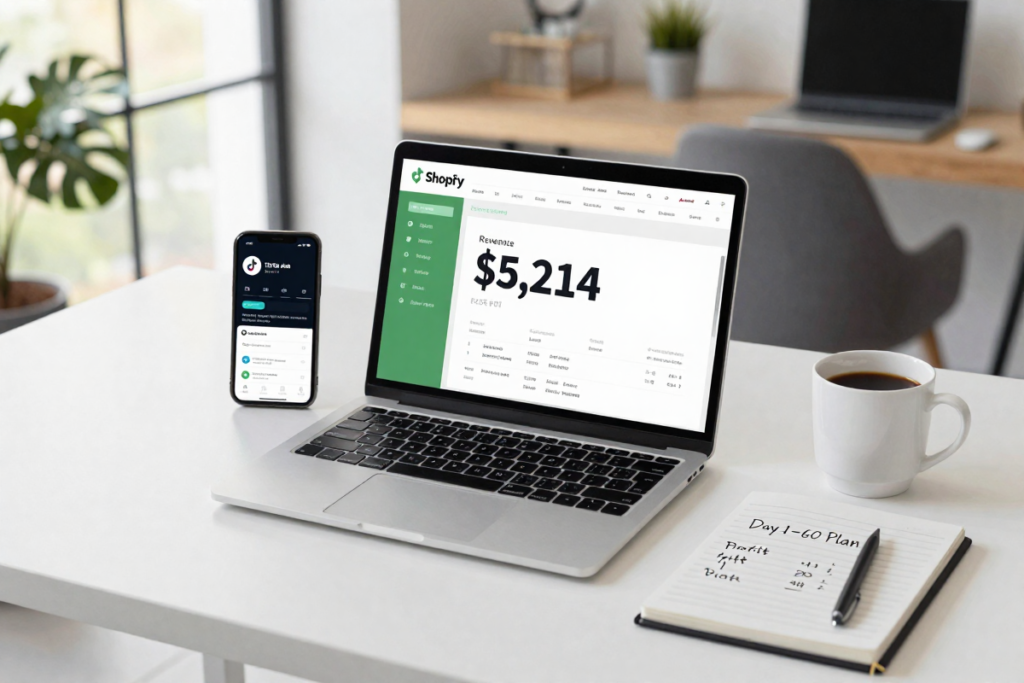
In 60 days, starting with no existing store, no audience, and a lean starting budget, this dropshipping journey generated $5,214 in total revenue with a net profit of approximately $1,640 after ad spend, platform fees, and product costs.
Not life-changing money. But proof of concept? Absolutely.
Here’s exactly what happened, what worked, what failed, and what you can realistically replicate — even as a complete beginner.
⚠️ Disclaimer: These results are not typical. Dropshipping involves real risk, real costs, and a steep learning curve. This case study is meant to educate, not guarantee income.
What This Case Study Covers
Before diving in, here’s full transparency on the starting conditions:
- Starting budget: $500 (allocated primarily to ads)
- Experience level: Beginner — one failed store attempt previously
- Platform: Shopify
- Supplier: AliExpress via DSers
- Traffic source: TikTok Ads (primary), with organic TikTok supplementing
- Niche: Home & lifestyle (specific product revealed in Step 1)
- Timeline: 60 days, tracked week by week
Revenue vs. Profit — Why It Matters
$5,214 in revenue sounds exciting. But revenue is not profit. After deducting:
- ~$1,800 in ad spend
- ~$1,400 in product costs (COGS)
- ~$375 in platform and app fees
Net profit landed at approximately $1,640 — a margin of roughly 31%. Healthy for a first store, but far from “quit your job” territory yet.
The Strategy Overview
The game plan was straightforward and built around four pillars:
- Niche selection — targeting a passionate, problem-aware buyer
- Product validation — finding proof of demand before building anything
- Paid traffic — TikTok Ads for fast data and wide reach
- Conversion optimization — making every visitor count
No complex funnels. No influencer deals. No inventory. Just a focused, lean execution of the fundamentals.
Step 1: Finding a Winning Product
This is where most beginners waste weeks. The goal isn’t to find a unique product — it’s to find a product with proven demand and room to compete.
Product Research Criteria
Every product evaluated had to pass three filters:
- Solves a clear problem — People buy solutions, not features
- Viral creative potential — Can this product be demonstrated in a short video?
- Strong price-to-perceived-value gap — Sourced under $8, sold for $29–$39
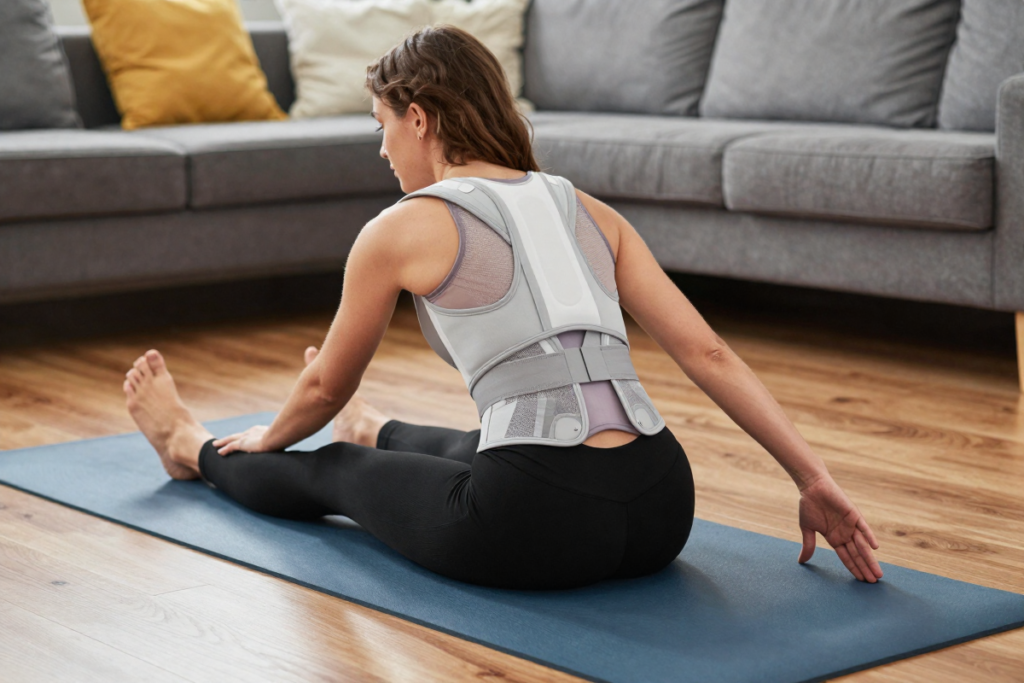
The winning product: a posture-correcting back stretcher — a foam lumbar device that relieves lower back pain. Unglamorous? Yes. Effective? Extremely.
Back pain affects 80% of adults at some point. That’s a massive, self-aware audience actively searching for relief.
Research Methods Used
TikTok Creative Center — Searched trending videos in the health/wellness category. The back stretcher had dozens of videos with 500K–2M views using simple demonstration-style creative. That’s the signal you want.
Facebook Ad Library — Searched competitor brand names to confirm they were running active ads. Active ads = profitable campaigns. (Pro tip: if a competitor has been running the same ad for 60+ days, it’s working.)
Competitor Spying with AdSpy — Used to identify top-performing creatives, ad copy angles, and targeting demographics. This single tool saved weeks of guessing.
Step 2: Building the Store (Fast & Lean)
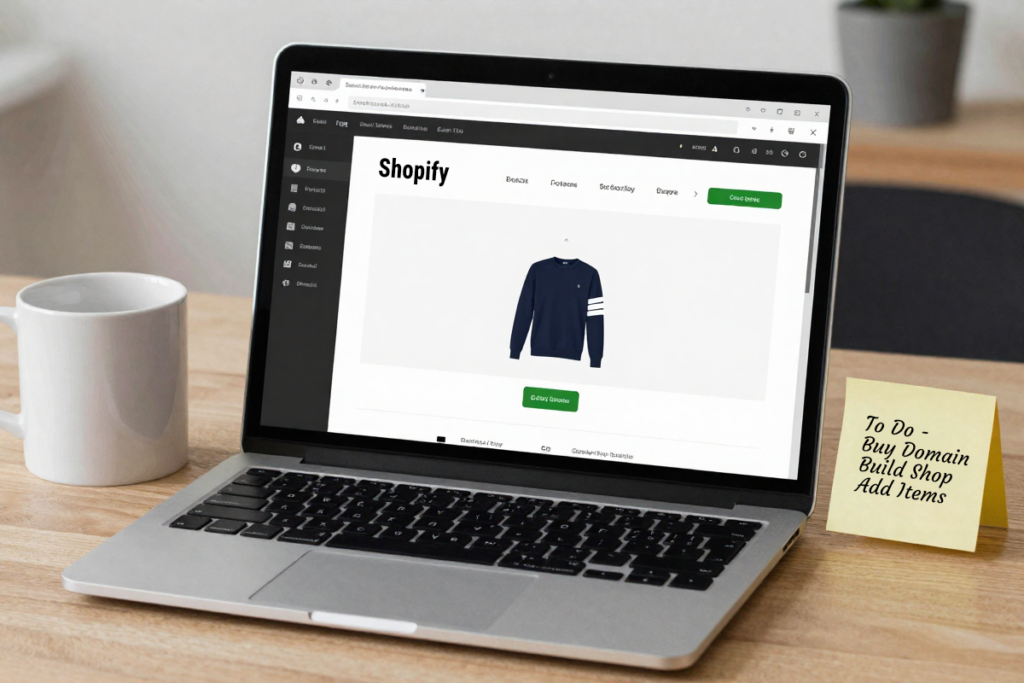
The store was live in under 48 hours. Speed matters more than perfection at this stage.
Platform: Shopify
Shopify remains the gold standard for dropshipping case studies because of its ecosystem — DSers integration, payment processing, and analytics all work out of the box.
Monthly cost: ~$39/month (Basic Plan)
Store Setup Process
- Domain name: Purchased a clean, brandable .com for $14 (avoided generic product names — aimed for brand feel)
- Theme: Used a free Shopify theme to start, later upgraded to a conversion-focused premium theme
- Essential pages built first: Homepage, product page, About Us, Shipping Policy, Returns Policy, Contact
The store was a one-product store. This is intentional. One product = focused messaging, simpler ads, higher conversion rates.
Essential Pages Checklist
| Page | Purpose |
|---|---|
| Product Page | Primary conversion point |
| Shipping Policy | Reduces abandoned carts |
| Returns Policy | Builds purchase confidence |
| About Us | Trust and brand story |
| Contact/FAQ | Reduces support tickets |
Step 3: Crafting a High-Converting Product Page
A mediocre product with a great product page will always outsell a great product with a mediocre page. This is where conversion rate optimization (CRO) starts.
Product Descriptions That Sell
The description focused entirely on the outcome, not the product specs:
“Most back pain isn’t from an injury — it’s from hours of sitting in the wrong position. The [Product Name] gently realigns your spine in just 10 minutes a day, giving you the kind of relief that used to require a chiropractor.”
Pain → Solution → Outcome. That’s the formula.
Social Proof Strategy
Reviews were imported from AliExpress using a review app and curated carefully — only 4-star and above, with photos prioritized. A product with 200+ photo reviews converts dramatically better than one with none.
User-generated content (UGC) was also requested from early buyers via a post-purchase email sequence.
Visual Hierarchy & Pricing Psychology
- Hero image: Person using the product, visibly relaxed
- Before/after imagery placed high on the page
- Price anchoring: Original price shown at $59.99, selling price at $34.99
- Trust badges: 30-day guarantee, secure checkout, free shipping over $X
- Upsell app added a foam massage roller as a post-purchase offer — this increased average order value (AOV) by 18%
Step 4: Launching Ads (Traffic Strategy)
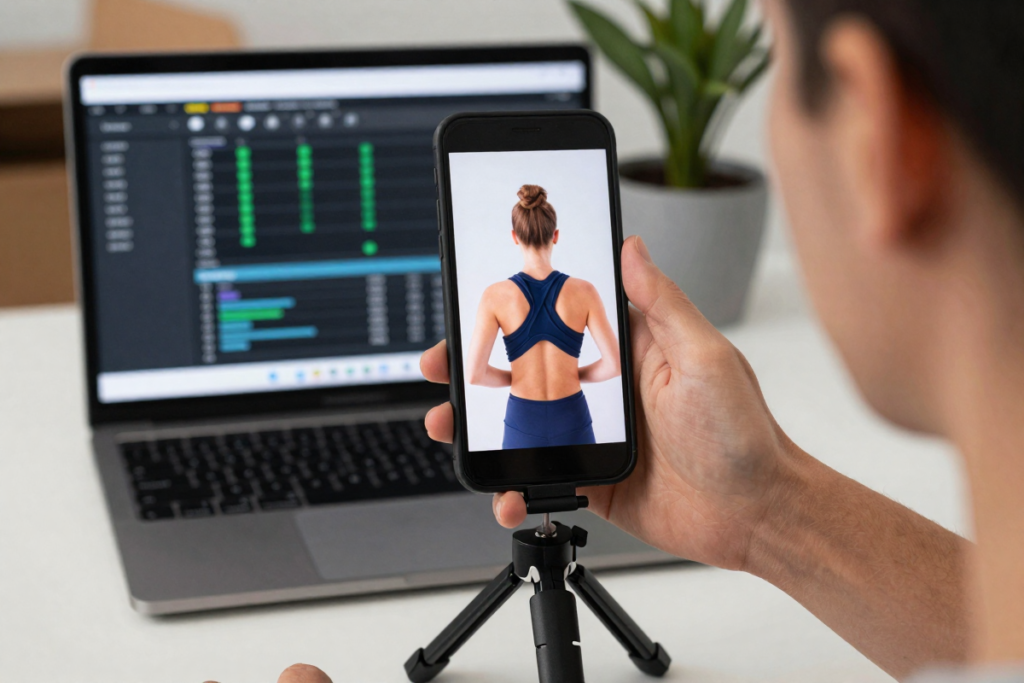
TikTok Ads were chosen over Facebook Ads for one reason: lower CPMs for a brand-new ad account.
Facebook rewards ad account history. TikTok gives beginners a more level playing field.
Initial Testing Budget
| Week | Daily Budget | Purpose |
|---|---|---|
| Week 1 | $30/day | Creative testing (5 ad variations) |
| Week 2 | $30/day | Identify winners, kill losers |
| Week 3 | $50/day | Scale winning creatives |
| Week 4+ | $75–$100/day | Aggressive scaling |
Creative Strategy
Five video creatives were launched at the start — all shot on a smartphone, all under 30 seconds:
- Problem hook: “I’ve had back pain for 3 years…”
- Demonstration: Showing the stretch in real time
- Transformation: Before-and-after testimonial style
- Social proof: Compilation of reactions/reviews
- Educational: “Here’s why your back hurts…”
Creative #3 (transformation) outperformed the others by a 3:1 margin in click-through rate (CTR).
Key Metrics Tracked
| Metric | Target | Actual (Week 3) |
|---|---|---|
| CTR | >1.5% | 2.8% |
| CPC | <$1.00 | $0.67 |
| Conversion Rate | >2% | 2.4% |
| ROAS | >2.0x | 2.9x |
Ad spy tool used: AdSpy for competitor creative research
Step 5: Scaling to $5K
Scaling is where beginners panic and make costly mistakes. The rule here was simple: don’t touch winning ad sets.
Identifying Winning Ads
After 48–72 hours of data, any ad set with a ROAS above 2.0x was considered a winner. Losers (ROAS below 1.0x after $20 spend) were killed immediately.
Scaling Strategies Used
- Vertical scaling: Increased daily budget by 20–30% every 3 days on winning ad sets
- Horizontal scaling: Duplicated winning ad sets into new audience segments
- Retargeting campaign: Launched a separate campaign targeting website visitors who didn’t purchase — this alone generated ~$400 in revenue at a 4.1x ROAS
By Day 45, the store was generating $150–$200/day in revenue consistently.
The Numbers Breakdown
Here’s the week-by-week revenue progression:
| Period | Revenue | Ad Spend | Notes |
|---|---|---|---|
| Days 1–7 | $0 | $210 | Store setup + testing |
| Days 8–14 | $312 | $210 | First sales, finding creative winner |
| Days 15–21 | $687 | $280 | Scaling begins |
| Days 22–30 | $1,104 | $350 | Retargeting launched |
| Days 31–45 | $1,891 | $490 | Consistent daily revenue |
| Days 46–60 | $1,220 | $270 | Slight plateau, optimization phase |
| Total | $5,214 | $1,810 |
Final Profit Estimate:
- Revenue: $5,214
- COGS (product + shipping): ~$1,400
- Ad spend: ~$1,810
- Platform + apps: ~$375
- Net Profit: ~$1,629
Biggest Mistakes & Lessons Learned

Transparency matters. Here’s what went wrong:
❌ Products that failed: Two products were tested before the back stretcher. A portable blender (oversaturated) and a LED desk lamp (low perceived value) both burned through $180 combined with zero sales.
❌ Scaling too fast: On Day 18, the daily budget was doubled overnight on a winning ad set. TikTok’s algorithm reset the learning phase and CPCs spiked 40% for three days.
❌ Weak shipping policy: Early on, the shipping timeline was vague. This generated 11 customer service emails in the first two weeks. A clear “7–14 business days” policy with a tracking link cut that volume by 70%.
✅ What would be done differently: Start retargeting on Day 7, not Day 22. That’s an estimated $600–$800 in missed revenue.
Tools & Resources Used
Store Setup
- Ecommerce platform: Shopify
- Premium theme: ThemeForest
- Page builder: (Sign up to Shopify and use their AI page builder)
Product Sourcing & Fulfillment
Marketing & Ads
- TikTok Ads Manager: TikTok for Business
- Ad spy tool: AdSpy
- Creative research: Minea
Optimization
- Review app: Yotpo
- Upsell/cross-sell app: Upsell App
- Copywriting assistant: Craftly.ai
- Analytics: Google Analytics (free)
Can Beginners Replicate This?
Honestly? Yes — but with realistic expectations.
Skills required:
- Basic comfort with technology (Shopify is beginner-friendly)
- Willingness to learn ad platform basics
- Ability to write simple, benefit-focused copy
Time commitment: Expect 2–3 hours daily during the setup phase, dropping to 45–60 minutes during the scaling phase.
Recommended starting budget:
- $300 minimum (very lean, higher risk)
- $500–$800 is the sweet spot for testing 2–3 products properly
- $1,000+ gives comfortable runway for mistakes
The biggest predictor of success isn’t budget — it’s willingness to kill losing products quickly and double down on winners.
Step-by-Step Quick Start Checklist

Use this as your action plan:
- Choose a niche — Problem-solving, passionate audience, visual product
- Validate the product — TikTok Creative Center + Facebook Ad Library
- Build your Shopify store — One product, clean design, essential pages
- Optimize the product page — Reviews, UGC, price anchoring, upsell
- Launch 3–5 ad creatives — Test on $20–$30/day
- Analyze data at 72 hours — Kill losers, scale winners
- Launch retargeting by Day 7 — Don’t leave money on the table
- Scale gradually — 20–30% budget increases every 3 days
FAQ: Your Dropshipping Questions Answered
Is dropshipping still profitable in 2026?
Yes — but the game has changed. Margins are thinner, competition is higher, and cookie-cutter stores no longer work. Winning in 2026 requires better creative, stronger branding, and faster iteration on product testing.
How much money do you need to start dropshipping?
A realistic minimum is $300–$500. This covers your Shopify subscription ($39/month), a domain ($14), and a small ad testing budget (~$200–$300). Going in below $200 makes meaningful testing nearly impossible.
How long does it take to see results from dropshipping?
Most beginners see their first sale within 7–14 days if they’re running paid ads with a validated product. Organic-only strategies take 60–90+ days to gain traction. In this case study, the first sale came on Day 9.
What are the best products for dropshipping in 2026?
The best dropshipping products solve a specific, painful problem, have strong visual demonstration potential, and aren’t widely available in major retail stores. Health, home improvement, pet care, and fitness niches consistently perform well.
What’s a good profit margin for dropshipping?
Aim for 20–35% net margin after all costs. This case study landed at ~31%, which is solid for a new store. Anything below 15% makes scaling difficult once you factor in returns and customer acquisition costs.
Conclusion: The Opportunity Is Real — But So Is the Work
Going from $0 to $5K in 60 days isn’t a fantasy. This dropshipping case study proves the model works when you execute the fundamentals with discipline: find a validated product, build a lean store, test creatives systematically, and scale what works.
The net profit of ~$1,640 isn’t retirement money — but it’s a proven proof of concept that creates a foundation to scale toward $10K, $20K, and beyond.
The biggest mistake you can make is waiting until you feel “ready.” You won’t. Start lean, learn fast, and iterate relentlessly.
Ready to Start Your Own Dropshipping Journey?
👉 Launch your store today with Shopify — includes a free trial to get you started risk-free.
👉 Find your winning product faster with Minea — the product research tool used in this case study.
Have questions about this dropshipping case study? Drop them in the comments below — every question gets answered.
Disclaimer: This article contains affiliate links. If you purchase an item through the link I will earn a small commission at no extra cost to you.