Best Side Hustles in eCommerce for Busy People
October 3, 2026

The alarm goes off at 6 AM. You drag yourself to work, spend eight hours at a desk, commute home, and collapse on the couch—only to repeat it all tomorrow. Sound familiar? You’re not alone. Millions of busy professionals are searching for a way to break free from the paycheck-to-paycheck grind without sacrificing what little free time they have left.
Enter eCommerce side hustles: the perfect solution for time-crunched individuals who want to build a second income stream without the overhead of a traditional business. Unlike brick-and-mortar ventures that demand your constant presence, eCommerce businesses can run on autopilot, scale without full-time effort, and generate passive income while you’re still crushing it at your 9-to-5.
In this comprehensive guide, you’ll discover the best eCommerce side hustles for busy people—proven business models that require minimal time commitment, offer low startup costs, and can be automated to fit your already-packed schedule. We’ll cover everything from dropshipping and print-on-demand to digital products and Amazon FBA, plus the essential tools and strategies you need to get started today (not “someday”).
Ready to turn your spare hours into extra income? Let’s dive in.
What Makes an eCommerce Side Hustle “Busy-People Friendly”?
Not all side hustles are created equal. When you’re juggling a full-time job, family responsibilities, and maybe a sliver of social life, you need a business model that works with your schedule, not against it. Here’s what to look for in a time-efficient eCommerce side hustle:
Low Time Commitment (1–2 Hours Per Day)
The best eCommerce side hustles don’t require you to quit your day job or sacrifice sleep. With just 1-2 hours per day—or even a few focused hours on weekends—you can launch, manage, and grow your online business.
Automation Potential
Automation is your secret weapon. From automated order fulfillment to scheduled social media posts, the right tools let your business run while you’re at work, asleep, or enjoying your weekend.
Low Startup Costs
Forget massive inventory investments or expensive storefronts. The most accessible eCommerce models require little to no upfront capital, making them perfect for bootstrapping entrepreneurs.
Minimal Inventory or Logistics
Hands-off fulfillment models (like dropshipping or print-on-demand) eliminate the headache of storing, packing, and shipping products yourself. This means less time on logistics and more time on growth.
Scalability Without Full-Time Effort
The holy grail of side hustles: a business that grows even when you’re not actively working on it. Look for models with recurring revenue, passive income potential, or automated marketing systems.
Top eCommerce Side Hustles for Busy People
Let’s break down the seven best eCommerce business models for busy professionals, complete with pros, cons, and step-by-step getting started guides.
1. Dropshipping
What It Is and How It Works
Dropshipping is a hands-off eCommerce model where you sell products online without ever touching inventory. When a customer places an order in your store, you forward it to a third-party supplier who ships the product directly to the customer. You keep the profit margin.
Why It’s Ideal for Limited Schedules
Dropshipping is one of the easiest eCommerce side hustles to start because you don’t need to invest in inventory upfront or handle fulfillment yourself. Once your store is set up, the supplier handles packing and shipping—freeing you to focus on marketing and customer service during your limited free time.
Pros & Cons
✅ Pros:
- No inventory investment required
- Minimal time commitment after initial setup
- Wide product selection
- Low financial risk
❌ Cons:
- Lower profit margins (typically 10-30%)
- Less control over product quality and shipping times
- High competition in popular niches
- Reliance on supplier reliability
Getting Started Steps
- Choose a profitable niche (fitness, pet supplies, home decor, tech accessories)
- Set up your online store using platforms like Shopify
- Find reliable suppliers through Oberlo or Spocket
- Import products to your store
- Launch targeted ads on Facebook, Instagram, or Google
- Automate order fulfillment and focus on scaling
Best For: Beginners with limited capital who want a low-risk entry into eCommerce.
2. Print-on-Demand (POD)
How POD Works (No Inventory, Custom Designs)
Print-on-demand lets you sell custom-designed products (t-shirts, mugs, phone cases, tote bags) without holding inventory. You create or upload designs, and a POD service prints and ships each item only when a customer orders it.
Best Products
- T-shirts and hoodies
- Coffee mugs and drinkware
- Phone cases and accessories
- Canvas prints and wall art
- Tote bags and apparel
Passive Income Potential
Once you’ve created your designs and listed products, POD operates on autopilot. The supplier handles production and fulfillment, giving you true passive income potential—perfect for busy people who want a “set it and forget it” online business.
Pros & Cons
✅ Pros:
- Zero inventory or upfront costs
- Highly automated fulfillment
- Creative outlet for designers
- Scalable with minimal effort
❌ Cons:
- Moderate profit margins (typically $5-$15 per item)
- Quality depends on POD provider
- Success requires unique, marketable designs
Getting Started Steps
- Choose your niche and design style (funny quotes, niche hobbies, motivational themes)
- Create designs using Canva or hire a designer on Fiverr
- Sign up for one or all POD platforms like Printful, Printify, Gelato, and TeeLaunch
- Upload designs and create product listings
- Integrate with your eCommerce store (Shopify, Etsy, WooCommerce)
- Market your products via social media, Pinterest, or paid ads
Best For: Creative individuals who want passive income with minimal ongoing effort.
3. Selling Digital Products

Examples: Ebooks, Templates, Printables, Courses
Digital products are downloadable goods like ebooks, planners, templates, stock photos, courses, and software. Once created, they can be sold infinitely with zero production costs or shipping logistics.
Why It’s One of the Most Scalable Options
Digital products offer the ultimate scalability: create once, sell forever. There’s no inventory, no suppliers, no shipping—just pure profit margins (often 90%+) and completely passive income. Perfect for busy people who want a side hustle that runs on autopilot.
Platforms to Sell On
- [Etsy (printables, templates, planners)
- [Gumroad (ebooks, courses, digital downloads)
- Your own website (using Shopify, WooCommerce, or Teachable)
Pros & Cons
✅ Pros:
- Extremely high profit margins (90%+)
- Zero inventory or fulfillment hassles
- Fully automated sales process
- Unlimited scalability
❌ Cons:
- Requires upfront time to create quality products
- Competitive marketplace
- Marketing is essential for visibility
Getting Started Steps
- Identify a problem or need in your niche (budget templates, social media planners, fitness guides)
- Create your digital product (use Canva, Google Docs, or course platforms)
- Set up your storefront on Etsy, Gumroad, or your own website
- Optimize listings with SEO keywords
- Market via Pinterest, Instagram, or email marketing
- Automate delivery (platforms handle this automatically)
Best For: Knowledge workers, designers, educators, and creatives who want maximum passive income with minimal ongoing effort.
4. Amazon FBA (Fulfillment by Amazon)
Overview of the Model
Amazon FBA (Fulfillment by Amazon) lets you sell products on Amazon while they handle storage, packing, shipping, and customer service. You send your inventory to Amazon’s warehouses, and they take care of the rest—even Prime shipping.
Hands-Off Fulfillment Benefits
FBA is ideal for busy people because Amazon does the heavy lifting. You don’t need to pack boxes at midnight or deal with shipping logistics. Plus, your products get access to Amazon’s massive customer base and Prime eligibility, boosting sales potential.
Startup Considerations
- Initial inventory investment required ($500-$2,000+)
- Product research is critical for success
- Amazon fees reduce profit margins (15%+ referral fees plus FBA fees)
- More time-intensive than dropshipping or POD, but still part-time friendly
Pros & Cons
✅ Pros:
- Access to Amazon’s 300+ million customers
- Automated fulfillment and customer service
- Prime eligibility increases conversions
- Scalable with strong profit potential
❌ Cons:
- Requires upfront inventory investment
- Amazon fees can be significant
- Competitive marketplace
- Storage fees if products don’t sell quickly
Getting Started Steps
- Research profitable product niches using Helium 10
- Source products from suppliers (Alibaba, domestic wholesalers)
- Create your Amazon seller account
- Send inventory to Amazon FBA warehouses
- Optimize product listings with keywords and photos
- Launch and promote using Amazon PPC ads
Best For: Entrepreneurs willing to invest a few hundred dollars upfront for hands-off fulfillment and access to Amazon’s customer base.
5. Reselling / Retail Arbitrage
Buying Low, Selling High
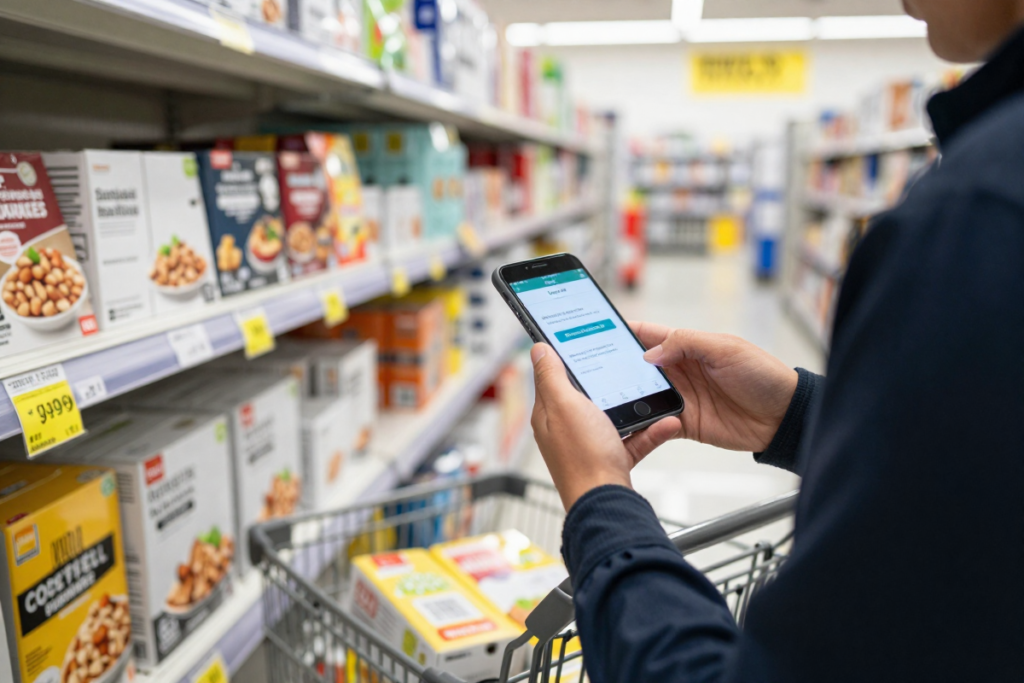
Retail arbitrage involves buying discounted products from retail stores (clearance racks, outlet malls, online sales) and reselling them at a profit on platforms like eBay, Amazon, Facebook Marketplace, or Poshmark.
Where to Source Products
- Clearance aisles at Target, Walmart, TJ Maxx
- Thrift stores and garage sales
- Online liquidation sites (Liquidation.com, B-Stock)
- Seasonal sales and Black Friday deals
Time vs Profit Tradeoff
Reselling requires more hands-on effort than other models—you’re physically sourcing, listing, and shipping products. However, it’s also one of the fastest ways to generate cash flow, making it ideal for weekends or spare time.
Platforms:
- eBay
- Facebook Marketplace
- Amazon FBA (for hands-off fulfillment)
- Poshmark (for clothing/fashion)
Pros & Cons
✅ Pros:
- Fast cash flow
- Low barrier to entry
- Flexible sourcing schedule
- No website or branding required
❌ Cons:
- Time-intensive (sourcing and shipping)
- Lower scalability
- Inconsistent inventory
- Storage space needed
Best For: Treasure hunters and bargain shoppers who enjoy the thrill of finding deals and don’t mind hands-on work.
6. Subscription Box Business

Recurring Revenue Model Explained
Subscription boxes deliver curated products to customers monthly or quarterly in exchange for a recurring subscription fee. This creates predictable, recurring revenue—the holy grail of passive income.
Niche Ideas
- Fitness gear and supplements
- Pet toys and treats
- Self-care and wellness products
- Hobbyist supplies (knitting, gaming, gardening)
- Gourmet snacks or coffee
Automation Tools
Platforms like Cratejoy handle subscriptions, billing, and customer management, allowing you to focus on curating great products and marketing your box.
Pros & Cons
✅ Pros:
- Recurring monthly revenue
- High customer lifetime value
- Community-building potential
- Scalable with automation
❌ Cons:
- Requires upfront inventory investment
- Product curation and sourcing time
- Customer retention is critical
- Shipping logistics (unless outsourced)
Getting Started Steps
- Choose a passionate niche (pets, fitness, hobbies)
- Source products from wholesalers or manufacturers
- Set up your subscription platform on Cratejoy or Shopify
- Price your box for profitability (typically $30-$60/box)
- Market via social media, influencers, and ads
- Automate billing and shipping
Best For: Community-builders and product curators who want recurring revenue and don’t mind some hands-on product sourcing.
7. Handmade or Custom Products

Selling Crafts or Personalized Goods
If you’re crafty or creative, selling handmade or custom products on platforms like Etsy can be a fulfilling and profitable side hustle. Think jewelry, candles, personalized gifts, home decor, or custom artwork.
Time Considerations vs Pricing Strategy
Handmade products require more time per item, so pricing strategy is critical. Factor in materials, labor, platform fees, and shipping to ensure profitability. Consider offering semi-custom or made-to-order items to balance time and demand.
Best Platforms
- Etsy(handmade marketplace)
- Your own Shopify store
- Local craft fairs and pop-ups
- Instagram Shop
Pros & Cons
✅ Pros:
- Creative fulfillment
- High perceived value and pricing power
- Loyal customer base
- Unique products with less competition
❌ Cons:
- Time-intensive production
- Harder to scale
- Inventory and materials management
- Shipping and packaging logistics
Getting Started Steps
- Choose your craft or product category
- Source materials and create initial inventory
- Set up your Etsy shop or website
- Photograph products professionally
- Optimize listings with keywords
- Market via Pinterest, Instagram, and local events
Best For: Creative individuals who enjoy hands-on work and want to turn their hobby into income (with realistic time expectations).
Quick Comparison: Which Side Hustle is Right for You?
| Side Hustle | Startup Cost | Time Commitment | Profit Potential | Skill Level |
|---|---|---|---|---|
| Dropshipping | Low ($100-$500) | Low (1-2 hrs/day) | Medium | Beginner |
| Print-on-Demand | Very Low ($0-$100) | Very Low (1 hr/day) | Medium | Beginner |
| Digital Products | Very Low ($0-$50) | Low (upfront effort, then passive) | High | Beginner-Intermediate |
| Amazon FBA | Medium ($500-$2,000) | Medium (5-10 hrs/week) | High | Intermediate |
| Reselling | Low ($100-$500) | Medium-High (10+ hrs/week) | Medium | Beginner |
| Subscription Box | Medium ($500-$1,500) | Medium (5-10 hrs/week) | Medium-High | Intermediate |
| Handmade Products | Low-Medium ($200-$800) | High (15+ hrs/week) | Medium | Beginner-Intermediate |
Recommendations Based on Your Situation:
- “I have zero time” → Print-on-Demand or Dropshipping (ultra-automated)
- “I want passive income” → Digital Products (create once, sell forever)
- “I enjoy hands-on work” → Handmade Products or Reselling
- “I want recurring revenue” → Subscription Box Business
- “I have capital to invest” → Amazon FBA (higher profit potential)
Essential Tools to Automate Your eCommerce Side Hustle
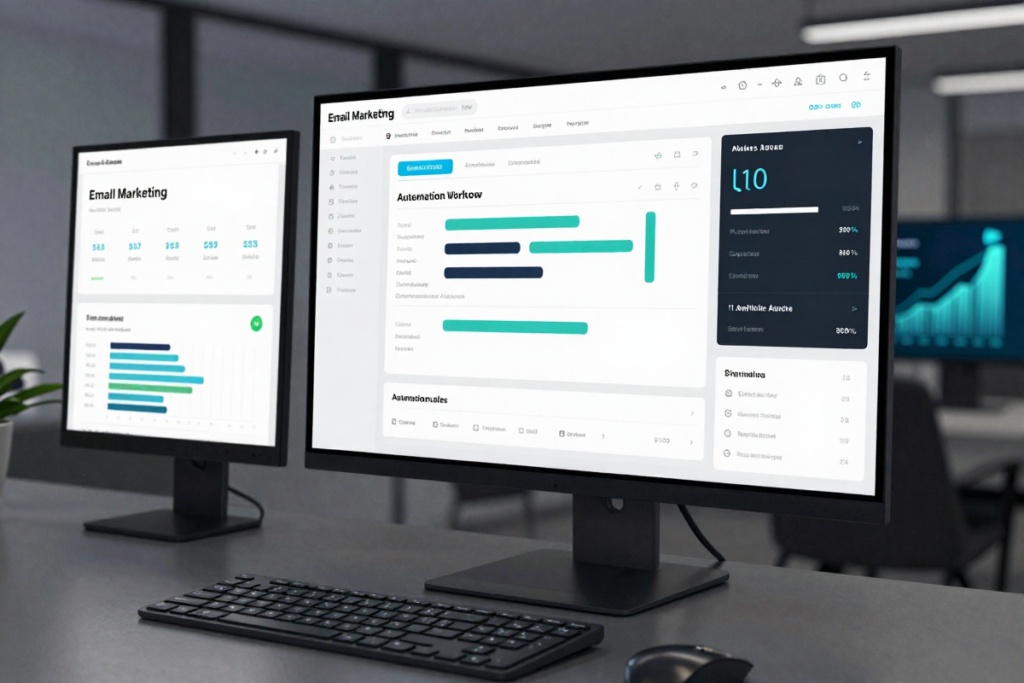
Automation is the secret sauce that lets busy people run profitable eCommerce businesses without burning out. Here are the must-have tools:
Website Builders
- Shopify – All-in-one eCommerce platform
- WooCommerce Bundle – WordPress-based store builder with Hosting
Email Marketing Tools
Automation & Integrations
Other Essential Tools
- Canva – Design graphics and product mockups
- Google Analytics – Track traffic and conversions
- Facebook Ads Manager – Run targeted advertising campaigns
Tips to Succeed with Limited Time
Focus on One Model First
Don’t spread yourself thin. Pick one eCommerce side hustle, master it, then diversify.
Use Batching and Scheduling
Batch tasks (create multiple product listings, schedule social posts) to maximize efficiency during limited work sessions.
Outsource Repetitive Tasks
Hire virtual assistants or freelancers on Fiverr and Upwork for customer service, graphic design, or product listing.
Validate Ideas Quickly Before Scaling
Test products with small ad budgets or limited inventory before going all-in.
Avoid Perfectionism
Done is better than perfect. Launch your store, get feedback, and improve over time.
Common Mistakes to Avoid

- Choosing overly complex business models – Start simple and scale later
- Ignoring marketing – Even great products need promotion
- Underpricing products – Factor in all costs and value your time
- Not reinvesting profits – Reinvest in ads, inventory, and tools to grow faster
- Spreading too thin across multiple hustles – Focus beats fragmentation
How to Get Started Today (Step-by-Step)
- Choose a side hustle model (based on your time, budget, and interests)
- Pick a niche (solve a problem or serve a passionate audience)
- Set up your store/platform (Shopify, Etsy, Amazon)
- Add your first products (start with 5-10 listings)
- Launch and market (social media, ads, SEO)
- Optimize and automate (tools, outsourcing, data analysis)
Frequently Asked Questions
What is the easiest eCommerce side hustle to start?
Print-on-demand and digital products are the easiest because they require no inventory, minimal upfront costs, and offer automated fulfillment.
How much money can you make with eCommerce side hustles?
Income varies widely—beginners might earn $200-$500/month, while experienced sellers can generate $2,000-$10,000+ monthly. It depends on your model, niche, and marketing efforts.
Do I need experience to start?
No! Many successful eCommerce entrepreneurs started as complete beginners. Focus on learning as you go and leverage beginner-friendly platforms.
How many hours per week do I need?
Most busy-friendly models require 5-10 hours per week after initial setup. Highly automated models (POD, digital products) can require even less.
Can I automate everything?
Almost. While you can’t eliminate all tasks, tools like Zapier, Klaviyo, and fulfillment services can automate 80-90% of your business operations.
Conclusion

The best eCommerce side hustles for busy people share three key traits: low time commitment, automation potential, and scalability without full-time effort. Whether you choose dropshipping, print-on-demand, digital products, Amazon FBA, or another model, the key is to start small and scale over time.
You don’t need to quit your job or sacrifice sleep to build a profitable online business. With just a few focused hours per week and the right tools, you can create a flexible second income stream that fits your life—not the other way around.
The best time to start was yesterday. The second-best time is today.
👉 Ready to launch your eCommerce side hustle? Explore the recommended tools and platforms above to get started now. [START A SHOPIFY SHOP HERE or WOOCOMMERCE SHOP ]