Can You Really Make a Living with eCommerce? The Honest Truth
August 29, 2026
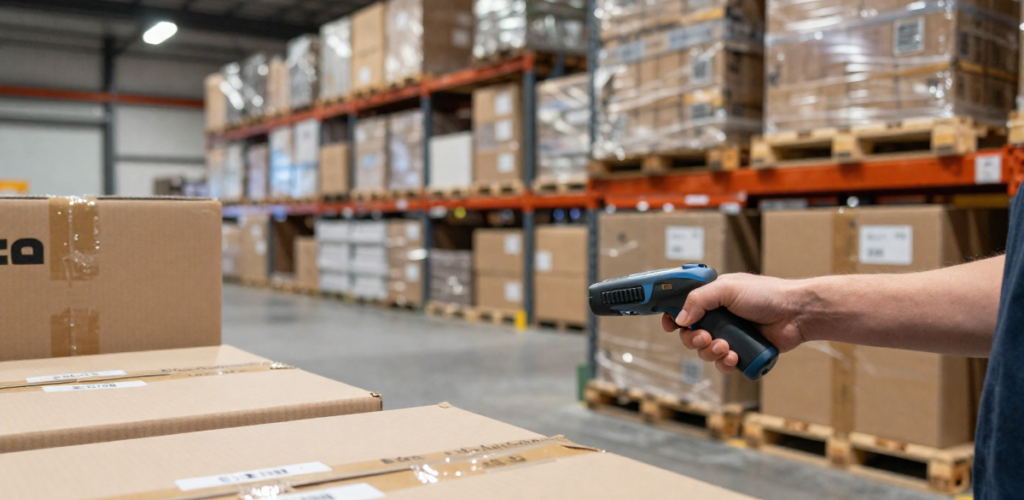
Can you actually quit your 9–5 with eCommerce—or is it just hype?
If you have spent any time on social media lately, you’ve seen the screenshots. A stranger in a rental car showing a dashboard with $50,000 in sales, promising that you can replicate their success by buying their course. It’s seductive. The idea of making a living with eCommerce appeals to our desire for freedom, location independence, and financial security.
But behind the glossy Instagram reels lies a grittier reality. The post-2020 boom created a gold rush, but it also created a graveyard of failed stores. The narrative is often split between “get rich quick” gurus and cynical detractors who claim the market is dead.
The truth, as always, is somewhere in the middle.
In this guide, we are stripping away the hype to look at the ecommerce income reality. We will break down exactly what it takes to replace a full-time salary, the different business models available, the real costs involved, and the timeline you can actually expect. If you are wondering is ecommerce profitable in 2026 and beyond, read on.
What Does “Making a Living” from eCommerce Really Mean?
Before we talk about revenue, we need to define what “making a living” actually looks like. In the world of online retail income sustainability, there is a massive difference between revenue (total sales) and profit (what you keep).
Many beginners see a screenshot of $10,000 in monthly sales and assume that is their salary. In reality, after Cost of Goods Sold (COGS), advertising spend, platform fees, and taxes, that $10,000 might result in a net profit of only $1,500.
To make a living selling online, you need to aim for net profit, not top-line revenue.
- Supplemental Income: $500 – $2,000/month profit. This covers a car payment or rent.
- Full-Time Income: $3,000 – $8,000/month profit. This replaces a standard median salary.
- Wealth Building: $10,000+/month profit. This allows for hiring teams and scaling.
Your definition depends on your location and lifestyle. A single person in a low-cost area might thrive on $2,000 a month, while a family in a major city might need $8,000 just to break even.
The Different eCommerce Business Models (And Their Income Potential)

Not all online businesses are created equal. When asking how much do ecommerce stores make, the answer depends entirely on the model you choose. Here is the breakdown of the most common paths.
Dropshipping
How it works: You sell products you don’t hold in stock. When a customer buys from you, your supplier ships it directly to them.
- Pros: Extremely low barrier to entry; you don’t need upfront capital for inventory.
- Cons: Razor-thin margins (often 10-20%); you have no control over shipping times or product quality; high competition.
- Income Reality: Is dropshipping a realistic way to make a living? Yes, but it is harder than it used to be. Most successful dropshippers treat it as a testing ground to find winning products before moving to private labeling. Expect to spend heavily on ads to test products.
Amazon FBA (Fulfillment by Amazon)
How it works: You send your inventory to Amazon’s warehouses. They handle storage, packing, and shipping.
- Pros: Access to Amazon’s massive customer base; Prime shipping eligibility; logistics are handled for you.
- Cons: High fees (referral and fulfillment); you are at the mercy of Amazon’s algorithm and policy changes; requires significant upfront capital for inventory.
- Income Expectations: Amazon FBA earnings can be substantial. Margins are typically healthier than dropshipping (20-30%), but the risk is higher because you own the stock.
Print-on-Demand (POD)
How it works: Similar to dropshipping, but for custom-designed items like t-shirts, mugs, and posters. A third party prints and ships the item only when sold.
- Pros: No inventory risk; highly creative; easy to start.
- Cons: Low margins per unit; you must be excellent at design or marketing to stand out.
- Realistic Earnings: Can you make a living with print-on-demand ecommerce? It is possible, but usually requires high volume or a very strong brand niche. It is often better suited as a side hustle that scales slowly.
Private Label / Brand Building

How it works: You create your own unique product, brand it, and sell it (usually via Shopify or Amazon).
- Pros: Highest potential for long-term wealth; you build brand equity (an asset you can sell later); higher margins.
- Cons: Highest barrier to entry; requires manufacturing relationships and significant upfront investment.
- Long-term Wealth: This is the gold standard for sustainable ecommerce income. Successful private label brands often sell for 3x-5x their annual profit.
Digital Products & Hybrid Models
How it works: Selling courses, templates, ebooks, or software.
- Pros: Nearly 100% profit margins; no shipping or inventory.
- Cons: Requires high authority or a strong audience to sell.
- Scalability: This is the most scalable model. Many physical product sellers add digital products (like guides or maintenance plans) to increase their ecommerce business profit after expenses.
Startup Costs: How Much Do You Really Need?
One of the most common questions is: How much startup money do you need for ecommerce? The answer varies wildly based on the model.
Low Budget ($100 – $500)
- Models: Dropshipping, Print-on-Demand.
- Expenses: Domain name, basic Shopify subscription, sample products for content creation, minimal ad spend.
- Reality: You are trading money for time. You will need to grind on organic social media (TikTok/Reels) because you can’t afford paid ads.
Mid-Range ($500 – $2,000)
- Models: Hybrid Dropshipping, small batch Private Label.
- Expenses: Better website theme, initial inventory buy, moderate ad budget for testing, legal registration.
- Reality: This allows you to test paid traffic properly. You can afford to lose money on ads initially to gather data.
High Investment ($2,000+)
- Models: Amazon FBA, robust Private Label.
- Expenses: Bulk inventory (MOQs), professional photography, 3PL (third-party logistics) setup, aggressive PPC campaigns.
- Reality: This is where you treat it like a serious business from day one.
[Affiliate Link Placeholder: Check out the best budget-friendly tools to start your store here.]
How Long Does It Take to Become Profitable?

If you are asking how long does it take to make a living from ecommerce, you need to adjust your timeline expectations. This is not a “get rich quick” scheme; it is a “get rich slow” business.
- Months 0–3 (The Learning Curve): You will likely lose money or break even. You are learning ads, fixing your website, and finding product-market fit.
- Months 3–6 (Traction): You might see consistent sales, but reinvesting profits back into inventory and ads is common.
- Months 6–12 (Profitability): This is when many serious sellers start taking a salary.
- Year 1+ (Scaling): Realistic ecommerce earnings first year vary, but hitting $5k-$10k/month revenue is a common goal for dedicated solopreneurs.
[Affiliate Link Placeholder: Need a roadmap? Grab this eCommerce launch checklist.]
The Real Challenges Most People Don’t Talk About
Why do most ecommerce businesses fail? It’s rarely because the product is bad. It’s usually due to the hidden friction of running a business.
- Customer Acquisition Costs (CAC): Advertising is getting more expensive. In 2020, you could buy a customer for $10. Today, it might cost $30+. If your margins are thin, this kills you.
- Platform Dependency: If you build your entire business on Amazon or rely 100% on Facebook Ads, you are renting your audience. One algorithm change or account ban can wipe out your income overnight.
- Burnout: Being an ecommerce business owner means you are the CEO, customer support agent, marketer, and warehouse manager. The “passive income” myth leads to massive burnout when reality hits.
- Cash Flow: You might be “profitable” on paper, but if your money is tied up in inventory that hasn’t sold yet, you can’t pay your bills.
What Successful eCommerce Sellers Do Differently
So, can a single person run a profitable ecommerce business? Absolutely. But the ones who succeed long-term share specific traits.
- They Validate First: They don’t guess; they test. They use data to see if people want the product before ordering 500 units.
- They Focus on LTV (Lifetime Value): They know that the money is in the second sale. They use email marketing to bring customers back, lowering their overall acquisition cost.
- They Build Assets: They build an email list and a social media following that they own. This creates online retail income sustainability.
- They Iterate: They don’t fall in love with their first product. If it fails, they pivot quickly.
Realistic Income Scenarios (Examples)
Let’s look at ecommerce income stories from real people to ground our expectations.
Scenario A: The Side Hustler (Dropshipping/POD)
- Revenue: $3,000/month
- Expenses: $2,000 (Ads, COGS, Software)
- Net Profit: $1,000/month
- Verdict: Great extra cash, but not enough to quit a job yet.
Scenario B: The Private Label Pro (Amazon/Shopify)
- Revenue: $25,000/month
- Expenses: $18,000 (Inventory, Ads, VA, Fees)
- Net Profit: $7,000/month
- Verdict: This is a full-time living. It took 18 months to build.
Scenario C: The Brand Builder
- Revenue: $100,000/month
- Expenses: $80,000 (Team, Inventory, heavy Ad spend)
- Net Profit: $20,000/month
- Verdict: High stress, high reward. Requires a team and systems.
Can You Start eCommerce as a Side Hustle?
Is it possible to replace my income with an online store while keeping my day job? Yes, and it is arguably the safest way to start.
Starting as a side hustle removes the desperation factor. When you need the business to pay rent next month, you make risky decisions. When you have a paycheck coming in, you can focus on building a brand properly.
The Transition Timeline:
Most experts recommend not quitting your job until your ecommerce profit consistently covers 100% of your living expenses for at least 3 to 6 months. This creates a safety buffer.
Tools & Resources You’ll Need

You cannot run a modern store manually. You need a tech stack. Here are the industry standards we recommend.
Store Platforms
You need a reliable foundation. Shopify is the gold standard for ease of use, while WooCommerce is great if you want full control and lower fees (but more technical maintenance).
[Affiliate Link Placeholder: Start your free trial with Shopify here.]
Product Research Tools
Don’t guess what sells. Use data. Tools like Jungle Scout or Helium 10 are essential for Amazon sellers to find high-demand, low-competition niches.
[Affiliate Link Placeholder: Get 50% off Helium 10 with this link.]
Marketing Tools
Email marketing is non-negotiable. Klaviyo is the leader for ecommerce, allowing you to automate flows that recover abandoned carts and drive repeat sales.
[Affiliate Link Placeholder: Try Klaviyo for free.]
Design & Branding
You don’t need to be a designer. Canva is perfect for social media assets, and Fiverr is great for outsourcing logo design or product photography on a budget.
Is eCommerce Still Worth It in 2026?
A common fear is market saturation. Is the ecommerce market too saturated to enter now?
The short answer: No, but the bar is higher.
The era of selling generic junk from AliExpress with bad Facebook ads is over. However, global ecommerce sales are projected to continue growing. Consumers are comfortable buying online more than ever.
Why it’s still viable:
- Niche Communities: You don’t need to sell to everyone. You can build a million-dollar business selling specialized gear to left-handed golfers or eco-friendly toys for toddlers.
- AI Tools: AI is leveling the playing field. You can now write product descriptions, generate ad copy, and analyze data faster than ever before, acting as a force multiplier for solopreneurs.
- Social Commerce: TikTok and Instagram have made discovery easier. Viral moments can still launch brands overnight.
Who Should (and Shouldn’t) Try eCommerce
eCommerce as a career is not for everyone.
Good Fit:
- Self-Starters: You need to be comfortable working without a boss telling you what to do.
- Long-Term Thinkers: You are willing to grind for 6 months with little reward for a payoff later.
- Data-Driven: You enjoy looking at spreadsheets and tweaking numbers to improve performance.
Not Ideal:
- Quick Cash Seekers: If you need money next week, get a part-time job. eCommerce takes time.
- Risk-Averse: You will lose money on ads. You will have returns. You need a stomach for financial risk.
- Those Unwilling to Learn Marketing: You can have the best product in the world, but if you can’t market it, you have a hobby, not a business.
Final Verdict: Can You Really Make a Living with eCommerce?

Yes—but not easily or quickly.
The honest truth is that eCommerce is a legitimate, powerful vehicle for wealth creation, but it is a business, not a lottery ticket. It requires capital, time, resilience, and a willingness to learn constantly.
If you approach it with realistic expectations, treat it as a serious venture, and focus on building a brand rather than just flipping products, you can absolutely replace your 9-5 income. But be prepared for the journey to be harder than the gurus tell you, and more rewarding than the cynics claim.
Ready to start?
Don’t overthink it. The biggest mistake is paralysis by analysis. Pick a model, pick a niche, and launch.
[Affiliate Link Placeholder: Click here to see our top recommended tools for launching your first store.]
Frequently Asked Questions (FAQs)
1. Can beginners make money with eCommerce?
Yes, beginners can make money, but it requires a steep learning curve. Success usually comes from starting small (like POD or dropshipping) to learn the ropes before investing heavily in inventory.
2. How much do eCommerce store owners make?
Income varies wildly. A side hustler might make $500/month, while a successful private label owner can make $10k-$50k/month. The average successful store owner aims for a 15-20% net profit margin.
3. What is the easiest eCommerce model to start?
Print-on-Demand (POD) is generally the easiest and lowest risk to start because you don’t hold inventory. Dropshipping is also low risk but has tighter margins.
4. Is dropshipping still profitable?
Yes, but generic dropshipping is dead. Profitable dropshipping in 2026 requires branded stores, faster shipping times, and high-quality video content.
5. How risky is eCommerce?
It carries financial risk (losing ad spend or inventory money) and time risk. However, compared to opening a physical retail store, the financial risk is significantly lower.
6. Can I run an eCommerce business while working a full-time job?
Absolutely. In fact, it is recommended. Running it as a side hustle allows you to fund the business with your salary and reduces the pressure to succeed immediately.
7. When should I quit my day job to do eCommerce full time?
Only quit when your business profit consistently covers your living expenses for at least 3 to 6 months, and you have an emergency fund saved up.
8. Is eCommerce really passive income?
No. Especially in the beginning, it is very active. You are handling customer service, marketing, and operations. It only becomes semi-passive once you have systems and a team in place.
9. What are the hidden costs of running an eCommerce business?
Beyond product costs, watch out for transaction fees, app subscriptions, chargeback fees, returns shipping costs, and the cost of your own time.
10. How do you deal with competition from Amazon?
Don’t try to beat Amazon on price or speed. Beat them on branding, community, and customer experience. Offer something Amazon can’t: a story and a connection.